
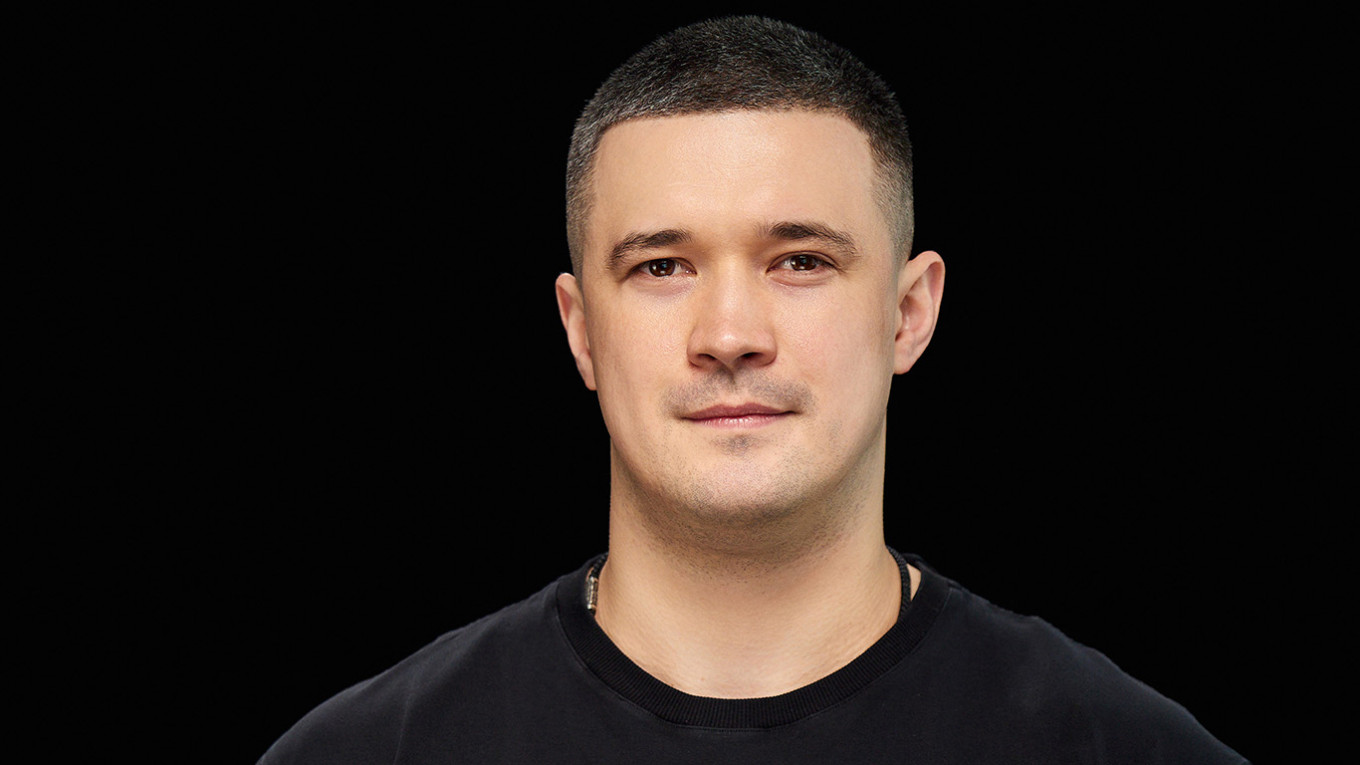
The daily protests that have shaken Ukraine over the last month, through which thousands of people have demanded the return of Mihailo Fedorov to the position of Defense Minister, have unexpectedly ended. The street movement dissolved after the organizers firmly rejected Fedorov’s call for the organization of general elections during wartime.
The former Ukrainian Minister of Defense has achieved political success through his criticism of Zelenski’s administration, establishing himself as a new rival to the president, however, his call for elections is met with a negative response.
In a video speech broadcasted Tuesday evening, the former minister dismissed in July by President Zelenski as part of a government reshuffle suggested organizing elections.
The proposal sparked a wave of swift criticism even from those who had supported him in the streets. He focused on issues he knew would resonate with public opinion, representing one of the most direct internal challenges to Zelenski since Russia’s large-scale invasion of Ukraine. He complained that acts of corruption undermine the war effort and protested against the centralized and opaque decision-making process in the Zelenski administration for which he worked until last month, writes Politico.
However, Fedorov’s unexpected call to the nation to go to the polls has sparked immediate reactions from the entire political spectrum. Critics insisted that such elections would be prohibited by Ukraine’s martial law, would be impossible to organize during wartime, would play into Russia’s favor, and would sow division at a time when national unity remains vital.
“People cannot live indefinitely in a situation where they do not understand why certain decisions are made. Why some reforms progress, while others are blocked. Why decisions necessary today on the front circulate for months through government offices”, said Fedorov.
“It is dangerous when society comes to feel that the main criterion for an appointment is not professionalism, results, or the ability to transform the country, but personal loyalty to the system”, added the former minister, who himself was considered a loyalist to Zelenski for seven years.
Zelenski continues to enjoy broad support as a war leader, and his allies have emphasized that, regardless of public opinion’s frustration, there are limits to how much he can reveal about the internal mechanisms of the state when national survival is at stake.
Details, HERE