
Hungary has postponed an essential procedural stage necessary for advancing the EU membership applications of Ukraine and Moldova, according to two EU diplomats, quoted by POLITICO, as per News.ro.
Kiev and Chisinau have reached a milestone on their path to joining the community bloc when EU countries unanimously approved, on June 15, the opening of the first official negotiation cluster for both countries. The measure had been blocked for years by former Hungarian Prime Minister Viktor Orbán, who opposed Ukraine’s accession to the EU. (Ukraine’s and Moldova’s applications are politically linked, so that one cannot advance without the other, ed.).
The two countries now hope to advance quickly in the EU accession process, with Ukraine’s Deputy Prime Minister, Taras Kacika, declaring to POLITICO at the beginning of this month that Kiev aims to open all six clusters of negotiation (official chapter groups) by mid-July.
However, this calendar is now in danger after, on Tuesday, Hungary opposed the sending of a letter to the European Council and the European Commission, on behalf of the 27 member states of the bloc, presenting the common position of the EU capitals. Hungary was the only country that opposed this initiative, which requires the unanimous approval of all 27 member states and will be discussed again next week, the diplomats stated.
A spokesperson for the Permanent Representation of Hungary in Brussels did not respond to a request for comments, POLITICO notes.
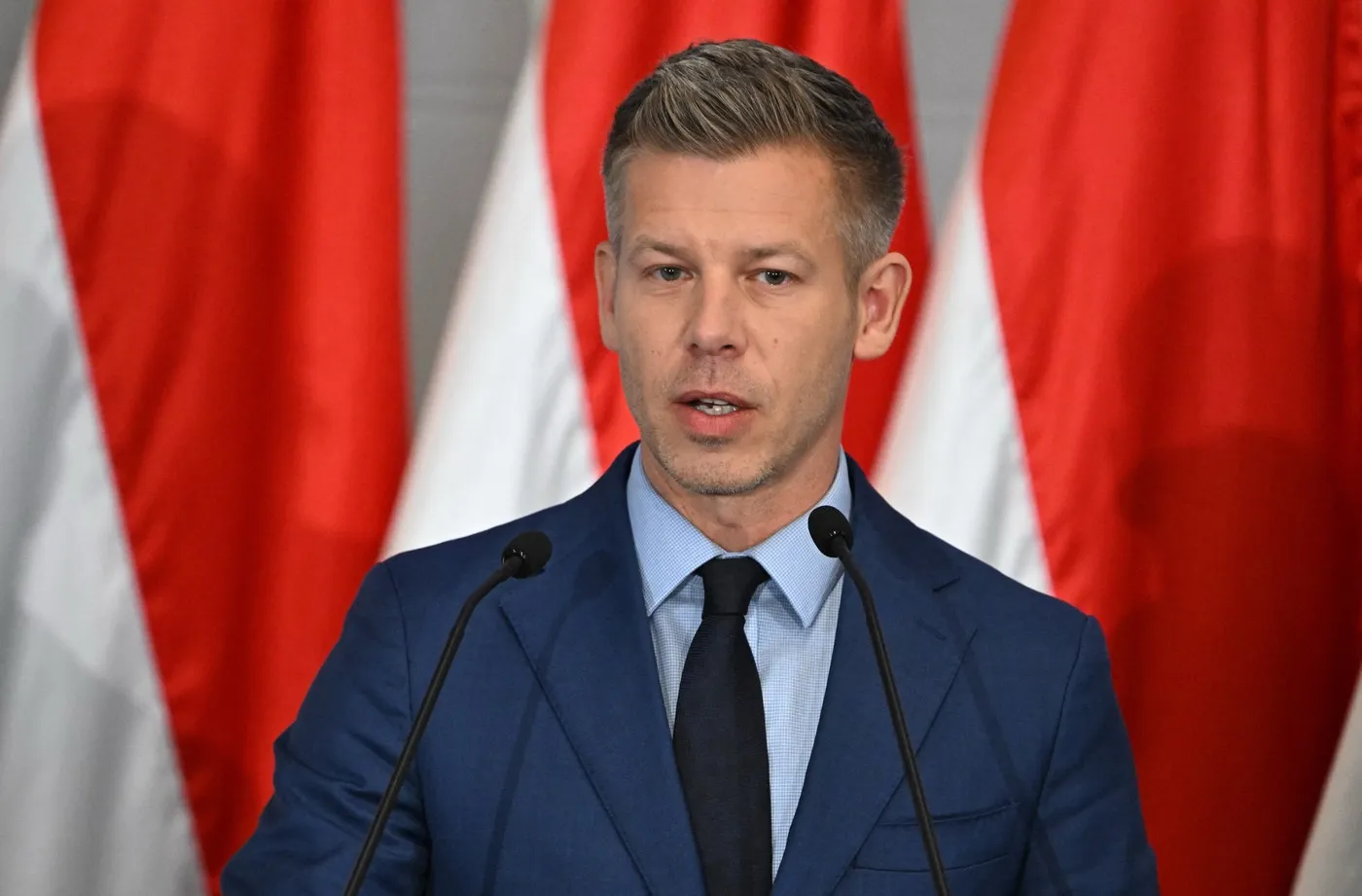
However, POLITICO states that this move is in line with the reserved position of Prime Minister Péter Magyar regarding Ukraine’s accession.
Although Magyar did not oppose the opening of a first negotiation cluster with Ukraine, his government insisted on removing the words “as soon as possible” referring to Kiev’s EU accession from the written conclusions of a meeting of EU leaders in Brussels last week, according to one of the diplomats.
During a press conference at the end of last week’s European Council meeting, Magyar reiterated his position, telling reporters:
“There are six clusters in total and we do not believe that opening them all at once is a good idea – partly because the ink on the first one has not even dried yet and partly because it would send the wrong message to the Western Balkan countries – Serbia, Albania, Montenegro, and North Macedonia – (which) have been making efforts for years to join the EU.”